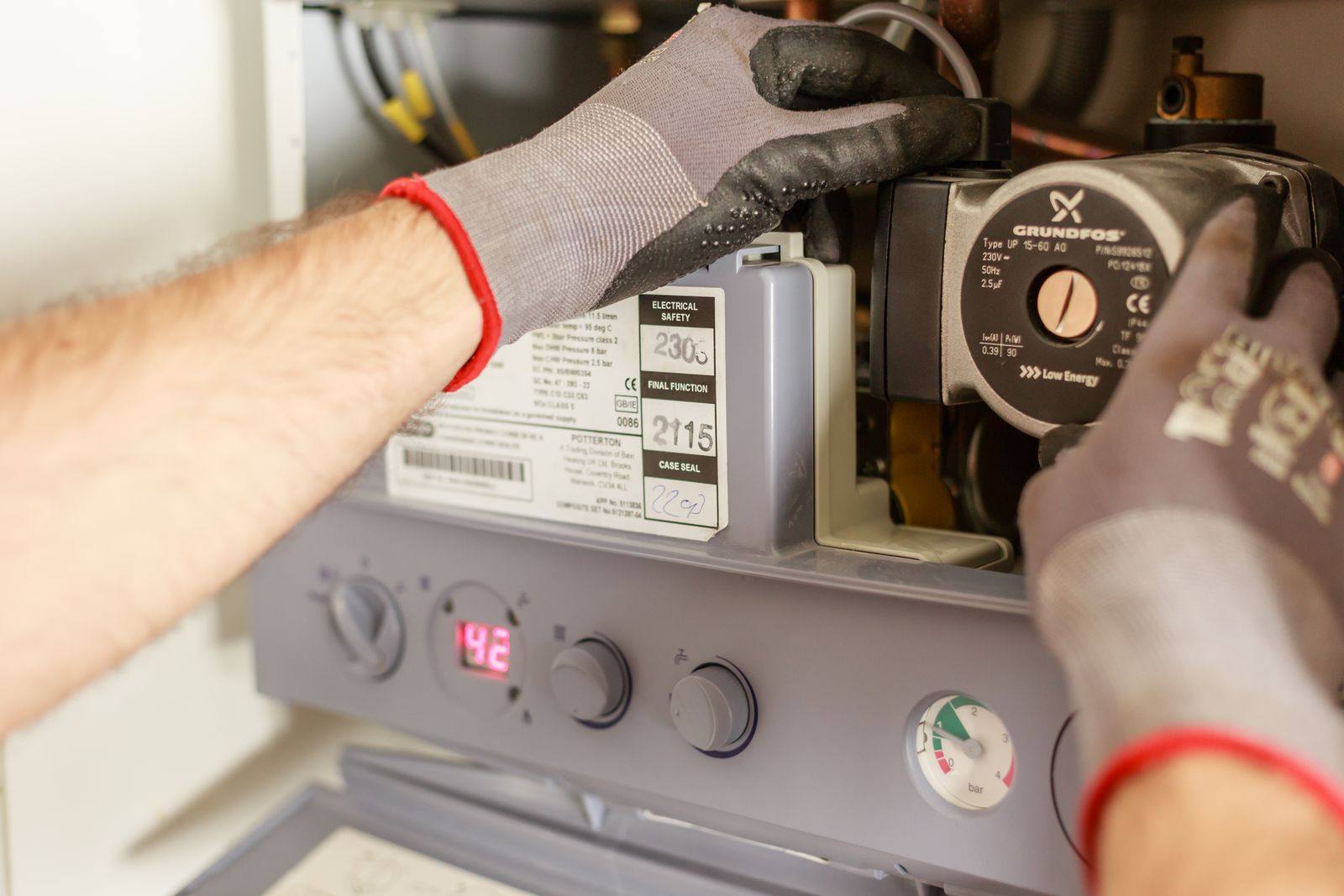
Major Leak Repair in Hartford
A major leak repair deals with a leak that is actively damaging the home — a failed supply line, a split pipe, a valve that has given way, or a joint that has come apart. The priority is stopping the water, then replacing the failed part and checking the repair under pressure. A leak that soaks a floor or a ceiling gets worse by the hour, so this is work that is usually done the same day it is found.
Requests are accepted in all 36 Hartford ZIP codes where coverage is verified: 6101, 6102, 6103, 6104, 6105, 6106, 6112, 6114, 6115, 6120, 6123, 6126, 6132, 6134, 6140, 6141, 6142, 6143, 6144, 6145, 6146, 6147, 6150, 6151, 6152, 6153, 6154, 6155, 6156, 6160, 6161, 6167, 6176, 6180, 6183, and 6199. Requests are shared with independent local emergency plumbing providers.
Signs you need major leak repair
Water pooling or dripping through a ceiling
Water pooling on a floor, dripping through a ceiling, or running down a wall means a supply line or joint has failed. Shut off the water and call — the leak will not stop on its own.
A damp patch that keeps spreading
A damp patch that keeps growing, paint that bubbles, or plaster that softens usually means water is leaking behind the surface and has been for a while.
The sound of running water with all taps off
A hissing sound from inside a wall, or the sound of running water when every tap is off, is a strong sign of a leak in a supply pipe behind the wall.
How it is fixed
The provider finds the source of the leak — a split supply hose, a failed valve, a loose joint, or a corroded section of pipe — shuts off the water to that run, and replaces or reseals the failed part. The repair is tested under pressure before the water is left on, and the provider will point out any water damage that needs drying.
What a visit usually involves
- - The call and triage — The provider asks what is happening, whether the water is off, and where the water is coming from — this decides the priority and what equipment to bring.
- - Arrival and assessment — On arrival, the provider shuts off the water if it is still running, then finds the source of the problem and checks how far the water has spread.
- - Making it safe and repairing — The provider makes the problem safe — stopping the leak, clearing the blockage, or isolating the failed appliance — then carries out the repair, or a temporary fix if a part is needed.
- - Testing and follow-up advice — The repair is tested under pressure, the water is turned back on, and the provider explains what caused the problem and what to watch for, including any water damage that needs drying out.
What it costs
Emergency work usually costs more than a scheduled visit, because the provider is responding outside normal hours and often has to stop other work to get there. The visit charge and the repair itself are usually priced separately: a simple fix such as replacing a burst section of accessible pipe or a failed supply hose sits at the lower end, commonly in roughly the $200–$600 range, while a repair that needs a wall opened, a main line cleared, or a water heater replaced costs considerably more. After-hours rates, parts, and how much water damage has already happened all affect the final figure. Any figure here is general guidance, not a quote — the provider who responds gives the actual price once the problem is seen.
Hartford homes and their plumbing
Hartford housing runs from historic homes in the West End and Asylum Hill, through mid-century brick houses, to newer suburbs. Many homes were built before 1960 with galvanized or cast iron pipe that is now reaching the end of its life, and the oldest homes still have original plumbing that fails without much warning.
Frequently Asked Questions
Should I shut off the main water valve?
Yes, if it is safe to do so. The main shutoff is usually near where the water line enters the house, in a basement, crawl space, utility room, or near the water meter. Turn it clockwise to close it. If you cannot find it, the provider can help you locate it.
How do I know if a leak is serious enough to call now?
A small drip from a tap or a trap can wait a day. A leak that is soaking a floor, a ceiling, or a wall cannot — the water spreads and the damage grows every hour, and a ceiling that is sagging with water can come down.
Can a leak cause damage I cannot see?
Yes — a leak that has been running for a while can soak framing, subfloor, and insulation. Drying out properly matters as much as fixing the pipe, and a provider can tell you whether the area needs to be dried professionally.